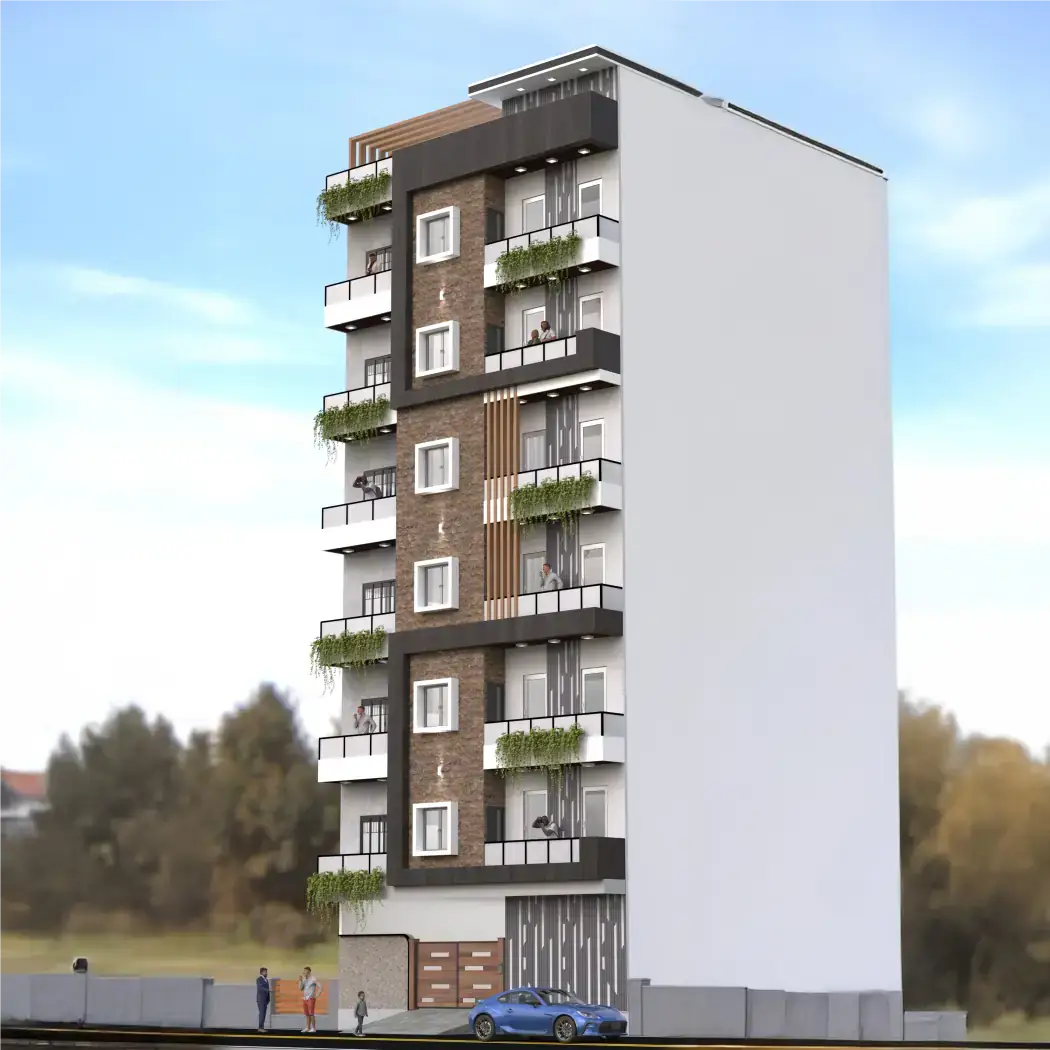
Under construction
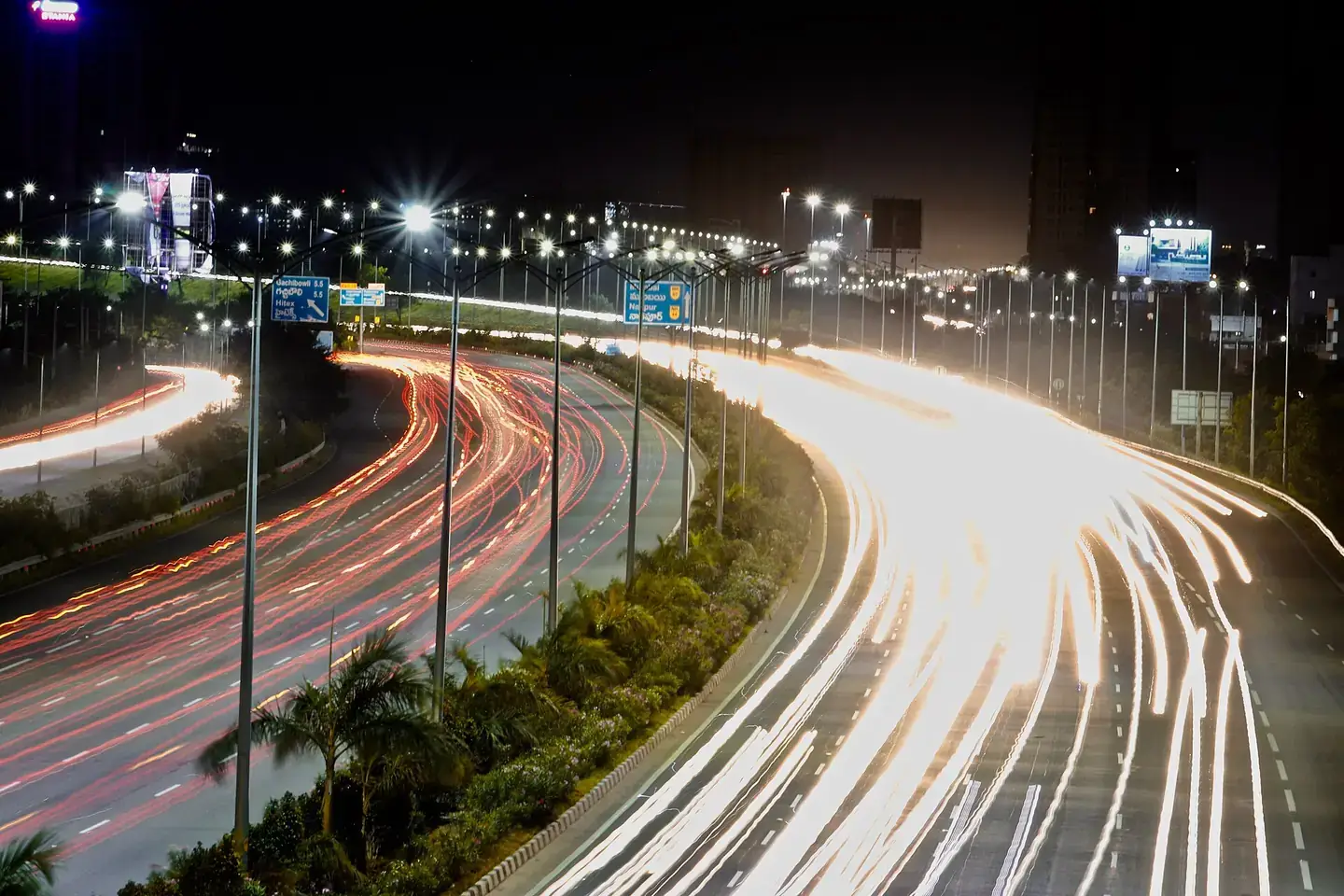
Invest in Hyderabad real estate with confidence
Confidence here means understanding what you are buying and what could go wrong with it — not being handed a return projection. Below is how we actually work through an investment decision with people.
Why Hyderabad
General factors that make the city a reasonable place to hold property. None of these is a guarantee, and none of them makes a specific property a good buy.
A diversified employment base
Offices are spread across HITEC City, Gachibowli, the Financial District, Nanakramguda and the eastern belt rather than concentrated in one district. Demand does not depend on a single corridor holding up.
Infrastructure that got built
The 158-km Outer Ring Road and the operating metro lines are in the ground, not in a presentation. That distinction matters when you are assessing whether a location will actually become commutable.
Residential growth across price points
There is stock from ₹30 lakh plots on the western fringe to ₹5 crore towers in Kokapet. A given budget usually has a viable location, rather than one entry price for the whole city.
Emerging corridors with room left
Kollur, Mokila, Shankarpally and the northern belt still have land. That is where the longer-horizon positions are, with the risk profile that goes with them.
What we will not tell you: a percentage return, a doubling period, or which area is about to take off. Nobody has that information, and anyone who offers it is selling you something.
Investment options
Four different instruments with genuinely different risk, liquidity and horizon. The right one depends on your answers, not on which is performing best.
Residential apartments
Typical horizon · 3–7 years
Rentable from day one, financeable at long tenures, and the most liquid asset class at resale. Yields are modest; you are buying the combination of rent, location and exit-ability.
BrowseResidential plots
Typical horizon · 5–10 years
No income, almost no holding cost, and value driven entirely by what happens around it. Rewards diligence on approvals and title more than any other option here.
BrowseOpen land
Typical horizon · 7+ years
A pure land position on the city fringe. Lumpy, illiquid, and only sensible with your own funds and your own verification.
BrowseUnder-construction
Typical horizon · 3–6 years
Lower entry price in exchange for delivery risk and the rent you keep paying while you wait. The developer’s handover record is the variable that matters most.
BrowseHow we work through it
Seven steps, in this order. Skipping to step seven is how people end up with a property that does not do what they wanted.
- 01
Understand your goal
Income, appreciation, a future home, or diversification. These point at different assets.
- 02
Define the budget
Purchase price plus stamp duty, registration, GST where it applies, brokerage and interiors — minus what you need to keep liquid.
- 03
Shortlist locations
Three, not ten. Chosen against your commute and horizon rather than against a headline.
- 04
Compare properties
On carpet area and total cost, never on super built-up rate. Loading factors differ enough to invert a comparison.
- 05
Visit
Twice where possible — once at peak hour, once at the weekend. Approach roads after rain tell you a lot.
- 06
Evaluate the paper
Title, encumbrance certificate, approvals, RERA registration, occupancy certificate. With your own lawyer.
- 07
Invest
Only once the downside is underwritten: what happens if possession slips two years, or you need to exit in year three.
Investment listings
Stock we would put in front of an investor, across all three horizons.
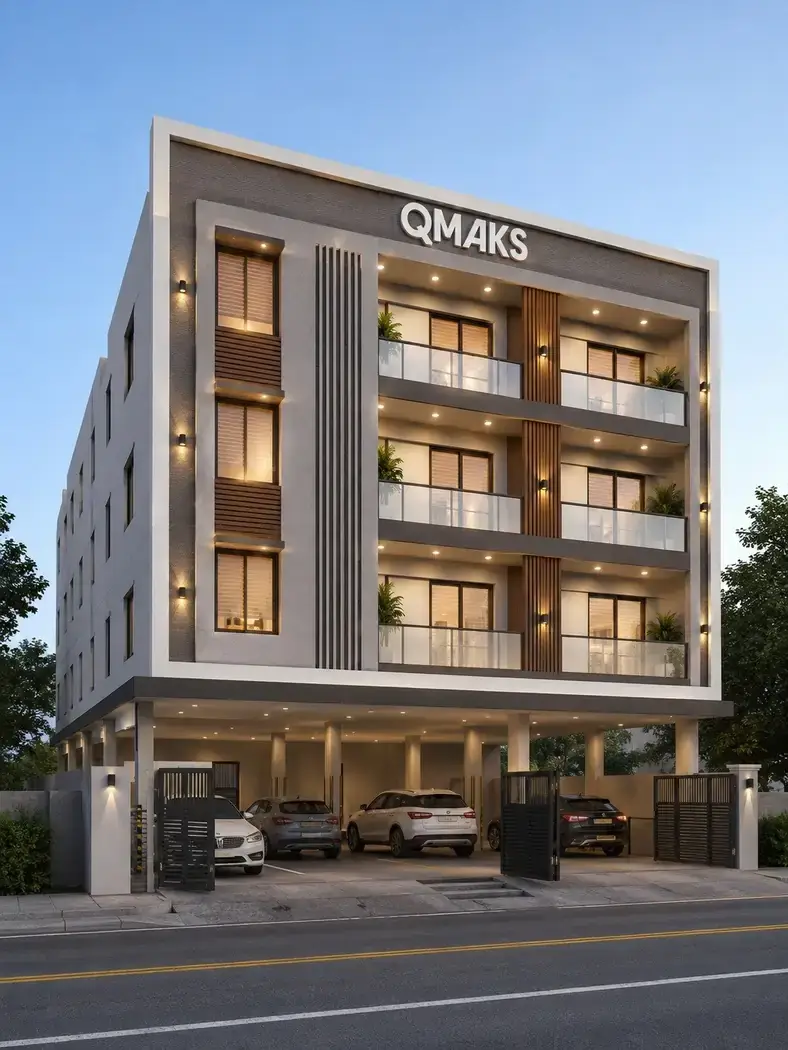
Under construction
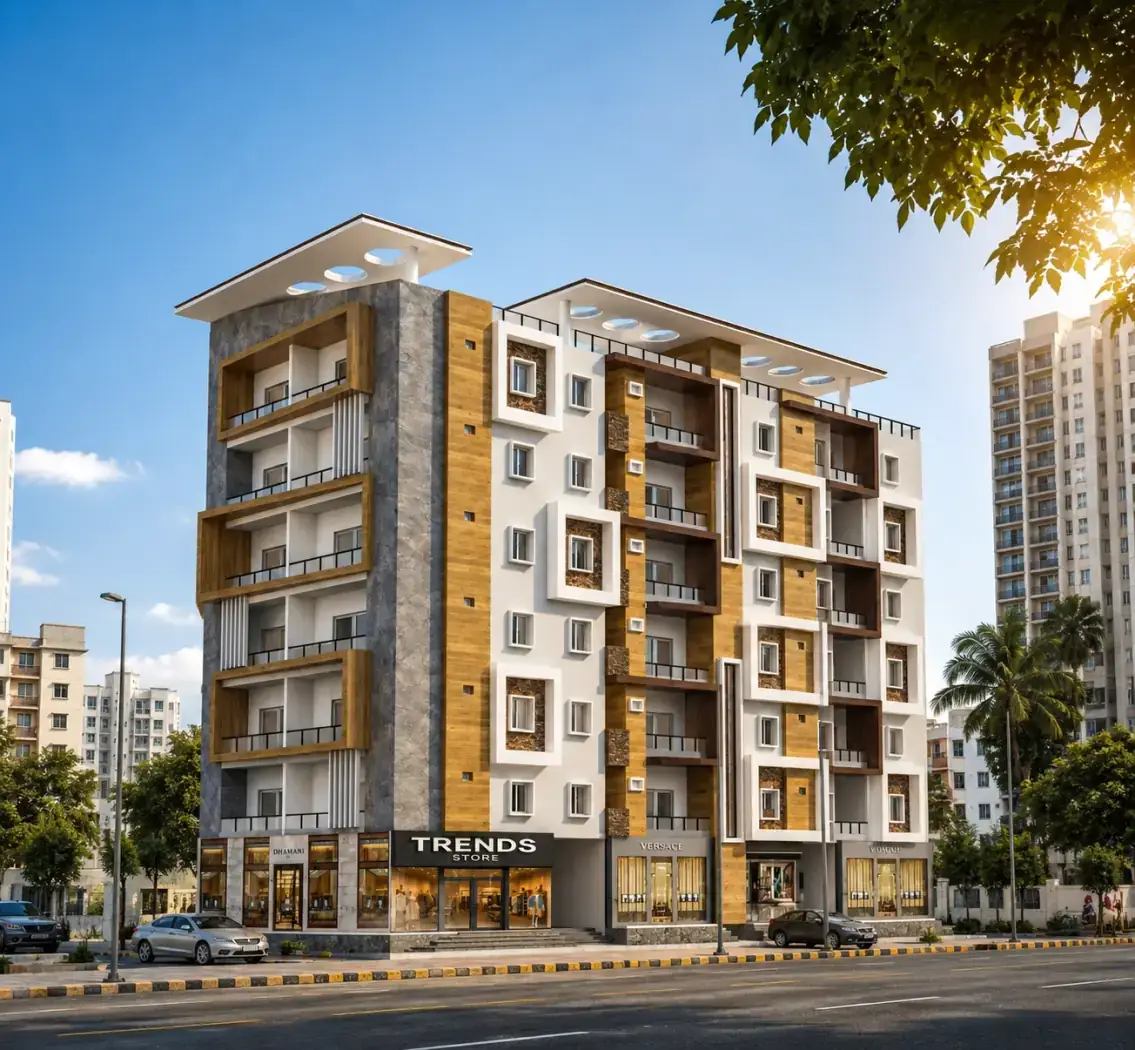
Under construction
Talk to a property consultant
Tell us your budget, your horizon and whether you are borrowing. We will tell you which of the options above your situation actually points to.