Buying
Ready-to-Move vs Under-Construction Property
One arithmetic step settles most of this decision, and it is the step most shortlists skip.
15 July 20266 min read
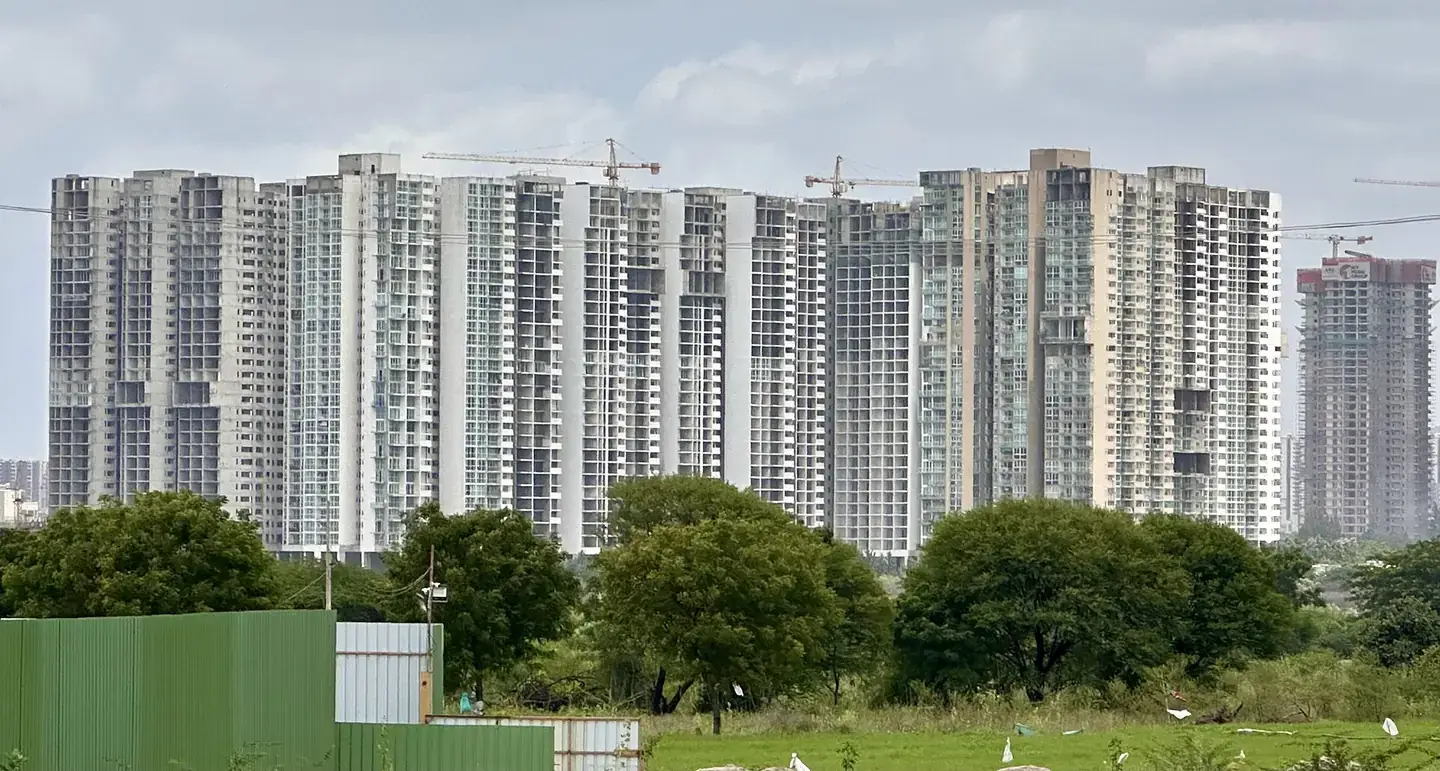
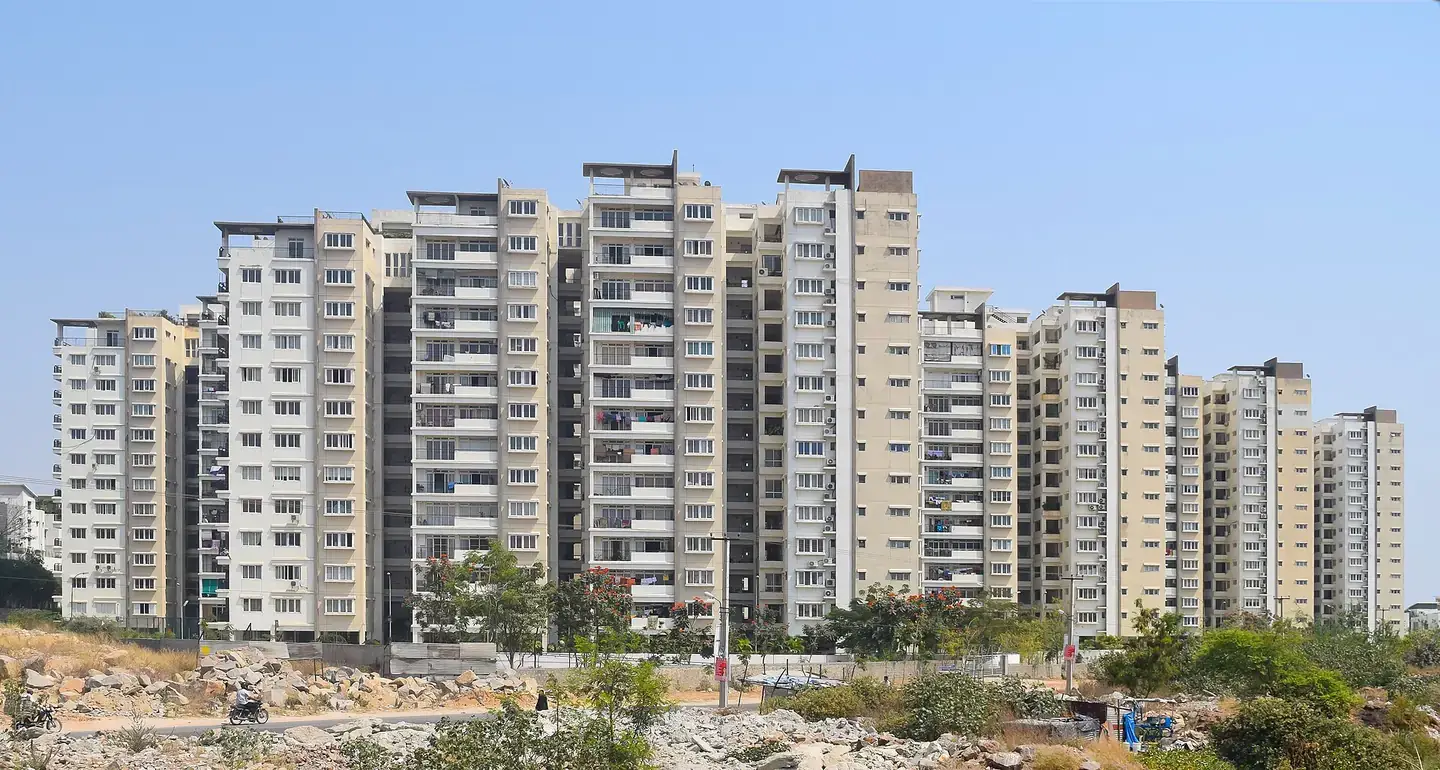
The headline difference is price: an under-construction unit is cheaper than the equivalent ready one. The decision looks like a discount question, so people treat it as one. It is not.
The arithmetic step everyone skips
Take the price gap. Then subtract the cost of waiting.
Suppose a ready 3 BHK is ₹1.5 crore and a comparable under-construction unit in the same micro-market is ₹1.3 crore, with possession in three years. The apparent saving is ₹20 lakh.
Now count the waiting:
- Rent you keep paying while you wait. At ₹35,000 a month for 36 months, that is ₹12.6 lakh.
- Pre-EMI interest on disbursed tranches, which buys you no equity.
- GST, which applies to under-construction residential purchases and not to completed resale.
- Delay risk. Three years scheduled is not three years delivered.
The ₹20 lakh gap narrows sharply, and in many real cases it inverts. Do this calculation with your own numbers before you compare anything else, because it frequently settles the decision on its own.
What ready-to-move genuinely gives you
You see the actual product. Not a rendering, not a sample flat — the real unit, the real light at 4pm, the real corridor, the real water pressure. This is worth more than most buyers credit before they have been surprised once.
No delivery risk. The building exists.
No rent overlap. You move in and stop paying rent, which is the largest hidden cost of waiting.
A visible society. You can see how the building is maintained, talk to residents, and read the association’s records.
Immediate rental income, if you are investing.
What under-construction genuinely gives you
A lower entry price, and a payment plan that lets you build up equity in stages rather than committing everything at once.
Choice of unit. In a ready building you take what is available. Early in a project you can choose the floor, the facing and the view.
Newer construction and specification — current fittings, current layouts, often better parking provision.
Time to arrange funds. A construction-linked plan spreads the outgo over years, which genuinely helps some buyers.
How to reduce the under-construction risk if you go that way
- Check RERA registration and read the registered completion date, not the sales pitch date.
- Look at the developer’s last three delivered projects. Not their launches — their handovers, and how late they were.
- Prefer a construction-linked plan over a heavily front-loaded one. Your money should follow the concrete.
- Visit the site, not just the sales office. Count the workers and the equipment. A project at “60% complete” with an empty site is not at 60%.
- Read the delay clause and what compensation is actually payable. Then assume you may need it.
A rough guide
| Your situation | Usually better |
|---|---|
| Currently paying rent, need to move soon | Ready-to-move |
| Investing for rental income now | Ready-to-move |
| Budget is tight today, will improve | Under-construction |
| Want a specific floor or view | Under-construction |
| First property, low risk appetite | Ready-to-move |
| Long horizon, strong developer, good price | Under-construction |
The middle option worth knowing about
“Nearing possession” — a project with a completion certificate expected within six to nine months — often sits at a better place on the curve than either extreme. Construction risk is largely behind you, the building is visible, and pricing has not yet fully caught up to ready inventory.
These units are less advertised than launches, because there is less margin in marketing them. They are worth asking about specifically.
Tell us your move-in timeline and budget and we will show you both sides of the comparison with the waiting cost worked out.